3D Furniture Rendering Services & Product Visualization
Photos your customers can't tell from real — before a single unit leaves the factory.
Build the 3D model once, and it becomes an entire catalog: white-background shots for your store, styled scenes for your ads, a dozen color and material variations, all without booking a studio or a single reshoot. Furniture is where most of our catalog work sits, but our 3D product rendering services cover any physical product — we've rendered lighting, rugs, and bathroom and kitchen fixtures the same way. It's how Dragonfly Furniture launched a full line and saved $8,000+ on logistics along the way — and how a 50-100+ SKU catalog stays visually consistent from the first product to the last.
Last updated
- →Skip the expensive photoshoot — launch without a single physical sample
- →Unlimited color and material variations — no reshoot, ever
- →Stop waiting weeks for prototypes before marketing can even start
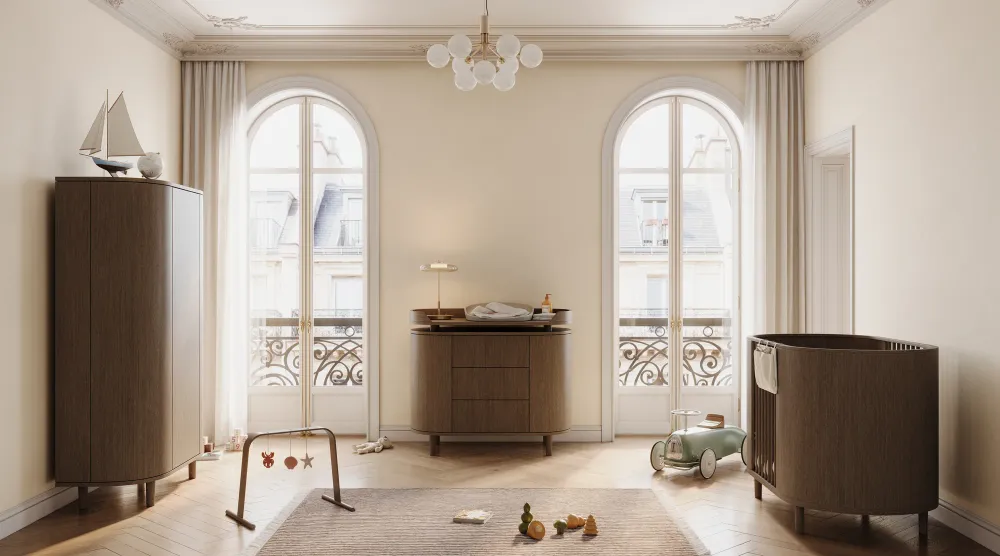
KAS Kopenhagen, DenmarkView project→
Why furniture brands choose us
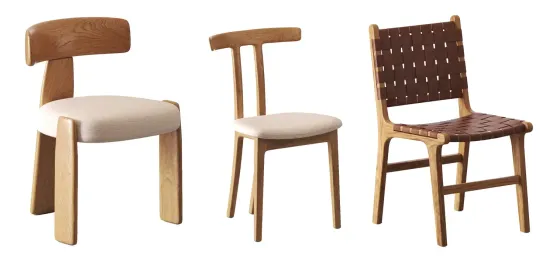
One look across the line
22 pieces for one New York studio, under one light and one camera height
See how↓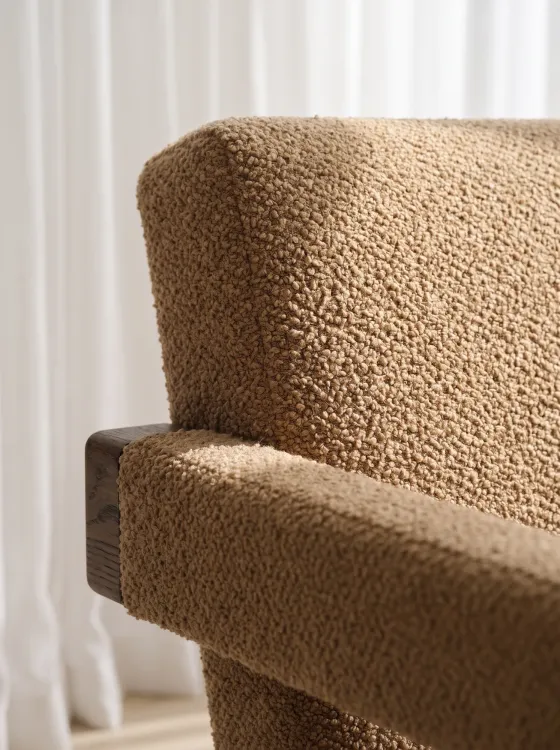
Fabric you can judge
Bouclé and linen rendered close enough to read the weave
See how↓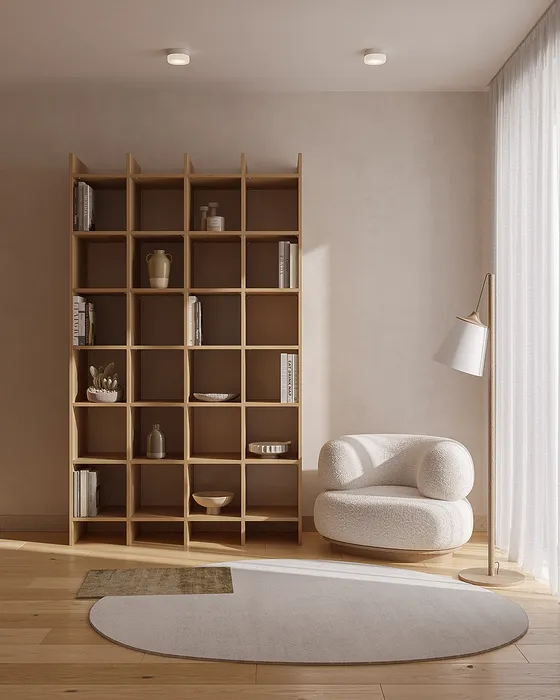
Your look, not ours
One set of modules, three rooms, each styled for its buyer with our art director
See how↓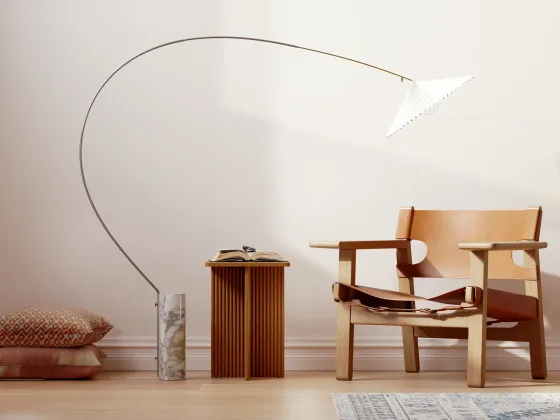
At most a third of a shoot
Dragonfly Furniture saved $8,000+ launching 30 SKUs
See how↓01What do you actually get from 3D furniture rendering?
White-background, lifestyle, and a 3D model you keep
+
What do you actually get from 3D furniture rendering?
White-background, lifestyle, and a 3D model you keep
3D furniture rendering produces three things: white-background images for your store and marketplace listings, styled lifestyle scenes for ads and campaigns, and a reusable 3D model of every product. Product 3D visualization is the same process pointed at something other than furniture, and it delivers the same three.
The model is the part that matters most. Photography gives you images. Rendering gives you images plus an asset you own, and every future colour, finish or camera angle comes out of that asset without a new shoot.
Dragonfly Furniture launched 30 SKUs this way. The full US line went to market without producing a single physical sample.
For KAS Kopenhagen's Kai nursery collection, one set of models gave a styled room, a white-background shot of every piece, the bed taken apart, the wardrobe open and the changing top on its own.
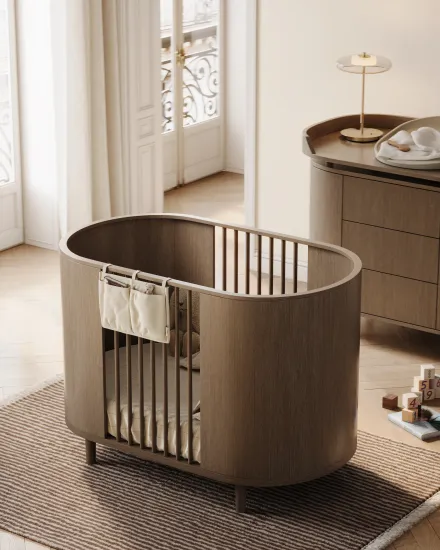
Lifestyle
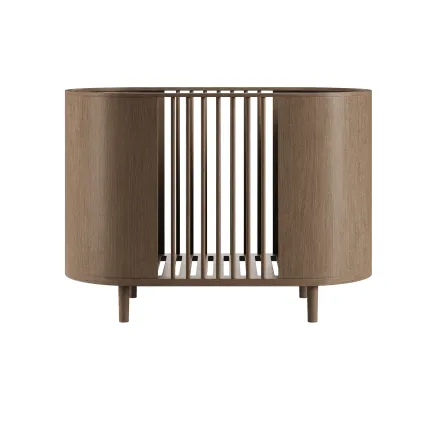
White background
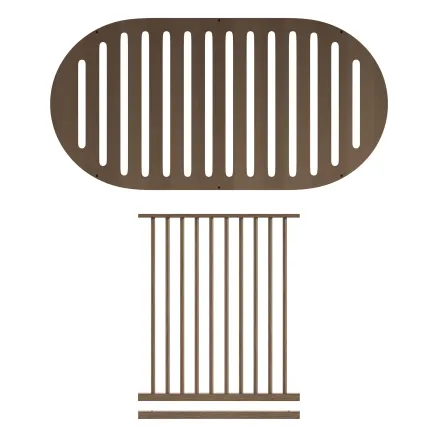
Parts
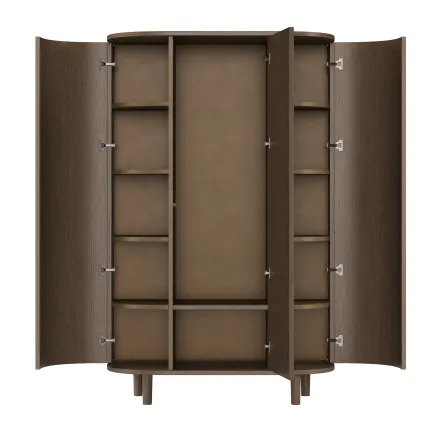
Function
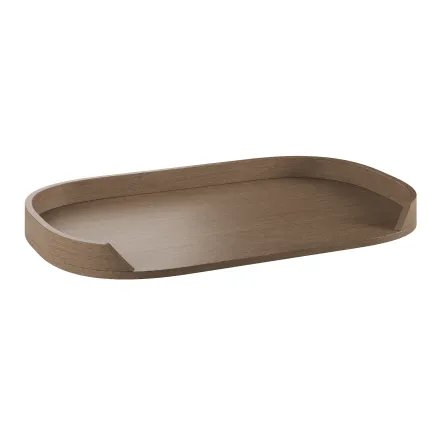
Accessory
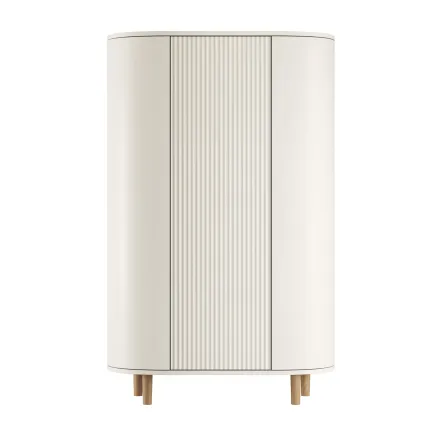
Second finish
02Can the same 3D model give you 360° spins and animation?
Yes. A New York furniture studio has ordered them for over a year and runs the turntables on its own site
+
Can the same 3D model give you 360° spins and animation?
Yes. A New York furniture studio has ordered them for over a year and runs the turntables on its own site
Yes, without modelling anything twice. Still images are the first use of a furniture model, not the only one. The same model renders as a 360° turntable or an interactive 360° view the shopper turns on the product page, its renders can be animated for ads, and a product configurator is built on it.
A turntable is the product on white, rotating a full turn, so proportions, joinery and profile read from every side. A custom furniture studio in New York has ordered them from us steadily for over a year and puts them straight onto its own site. One recent order of 22 chairs, armchairs, coffee tables and nightstands was modelled in three weeks, approvals included, across two rounds of revisions.
A German lighting manufacturer used the same format for its table and floor lamps on its own website; one of its orders was 18 lamps, modelled in three weeks.
The renders carry into motion as well: UrbanRest Seating's 2.3x click-through came from lifestyle renders paired with animation. A configurator, where a shopper swaps fabric or finish on the product page, is built on the models made for your renders, so the modelling is paid for once.
03Will every product in the line look the same?
22 pieces for one New York studio, 18 lamps for one German maker: one light and one camera height for each line
+
Will every product in the line look the same?
22 pieces for one New York studio, 18 lamps for one German maker: one light and one camera height for each line
Yes. Every product in a line is lit, framed and white-balanced the same way, so a store page reads as one shoot rather than fifty separate sessions.
The rows below are frames from our turntables, not retouched stills. The chairs and armchairs come mostly from a custom furniture studio in New York, which ordered 22 pieces in one batch, modelled in three weeks with approvals. The lamps come mostly from a German lighting manufacturer; one of its orders was 18 table and floor lamps, also modelled in three weeks.
Each line keeps the look its brand chose: the chairs on pure white, the lamps on a soft grey. What stays fixed inside a line is the light, the camera height and the white balance, and that is what lets a product added next season sit beside one from the first order.
- 22 pieces
- Furniture studio, New York
- one batch, three weeks
- 18 lamps
- German manufacturer
- one order, three weeks
- 40 models
- Across those two orders
- each line under one light
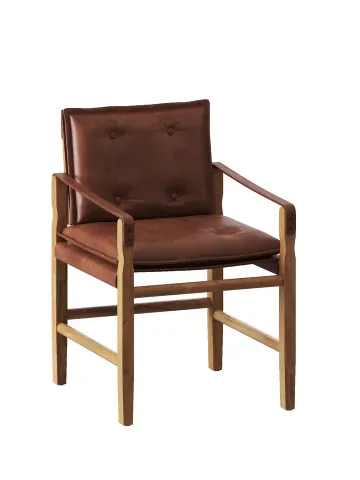
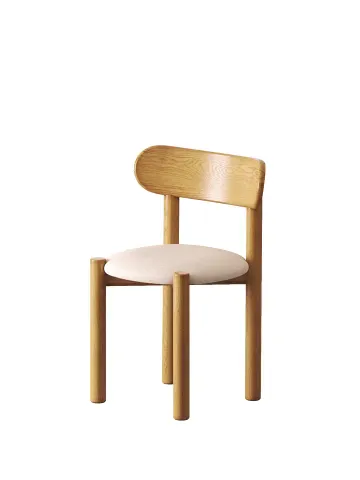
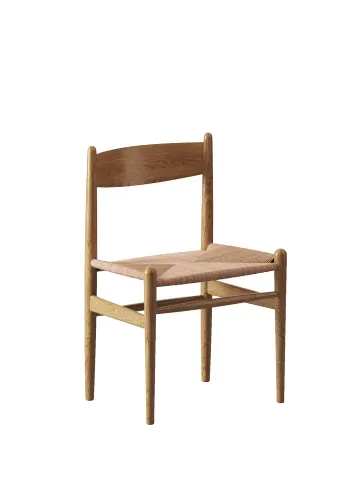
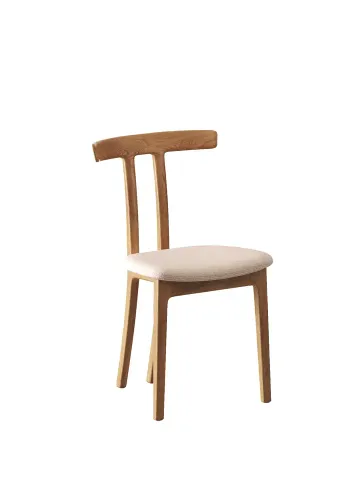
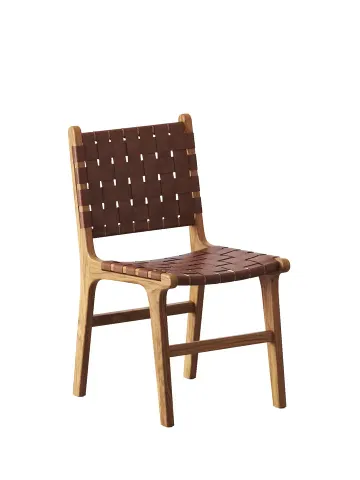
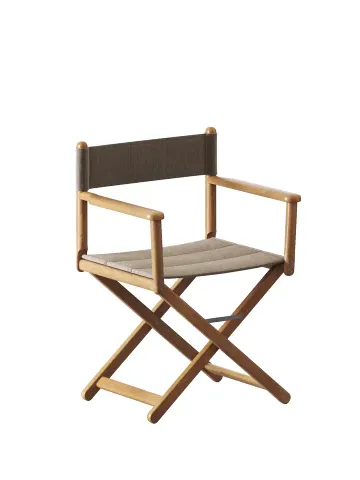
Chairs and armchairs, mostly for a New York furniture studioView the reel→
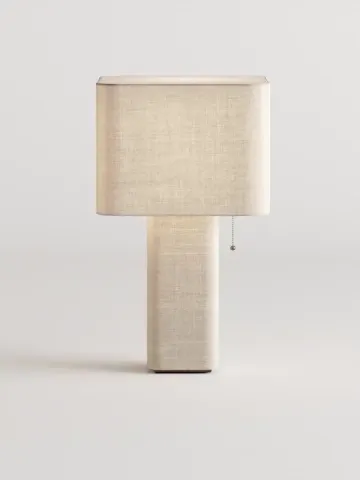


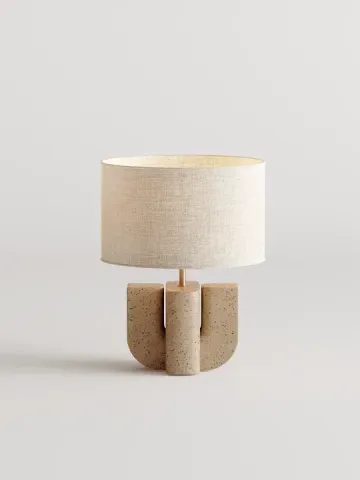


Table lamps, mostly for a German lighting manufacturerView the reel→
04How is furniture rendering different from general product rendering?
Fabric, exact scale, and fifty images that match each other
+
How is furniture rendering different from general product rendering?
Fabric, exact scale, and fifty images that match each other
Furniture carries three problems that most product categories do not, and they are the reason a generalist studio struggles with a catalogue.
Materials behave badly. Fabric, leather and wood grain all scatter light in ways that flat plastic does not. Upholstery is the single most common cause of a render that reads as fake, and getting it right takes real fabric references rather than a material library.
Scale has to be exact. A chair rendered 4 cm too wide looks correct in isolation and wrong the moment it sits next to a table in a lifestyle scene. Furniture is judged against human proportion, which is why we work from dimensions rather than eyeballing from photos.
Catalogues have to match each other. A single beautiful image is not the job; fifty images that look like one shoot is the job. Lighting, camera height and white balance stay locked across the whole catalogue, otherwise a store page looks assembled from fifty different sessions.
The fair question, if you have never bought CGI, is whether your customers will spot it. NordCraft Kitchens sold from renders their customers could not tell apart from finished photography. That is the standard the material and lighting work aims at.
05Can a render show upholstery and fabric up close?
Bouclé and linen, lit close enough to judge the weave
+
Can a render show upholstery and fabric up close?
Bouclé and linen, lit close enough to judge the weave
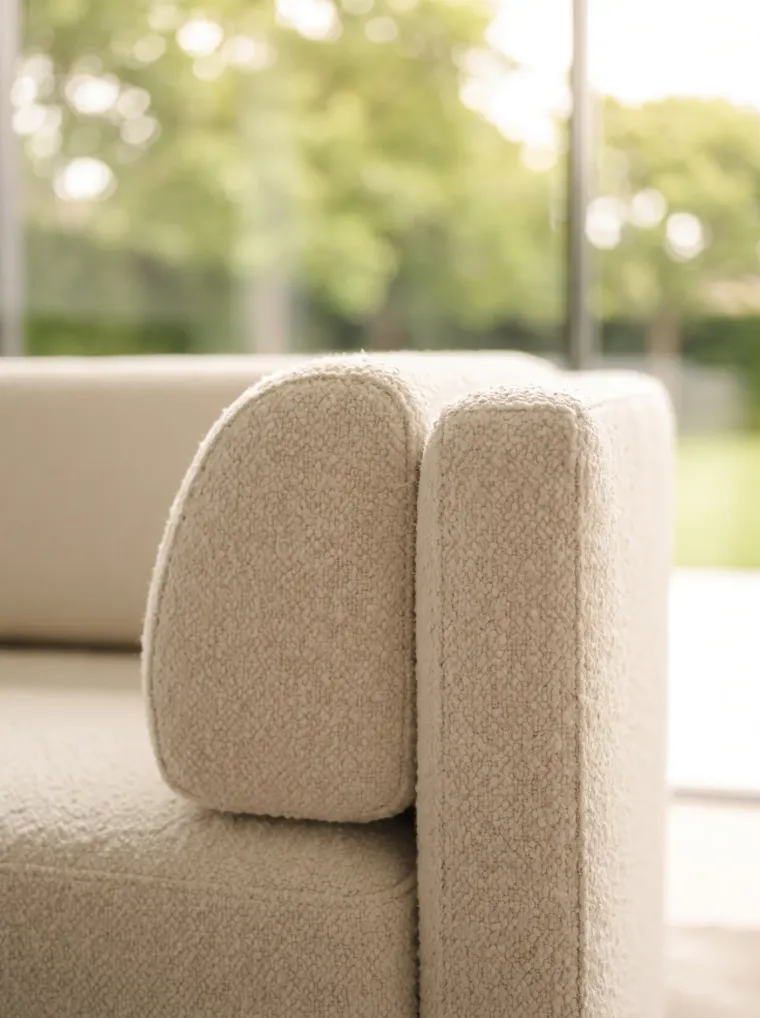
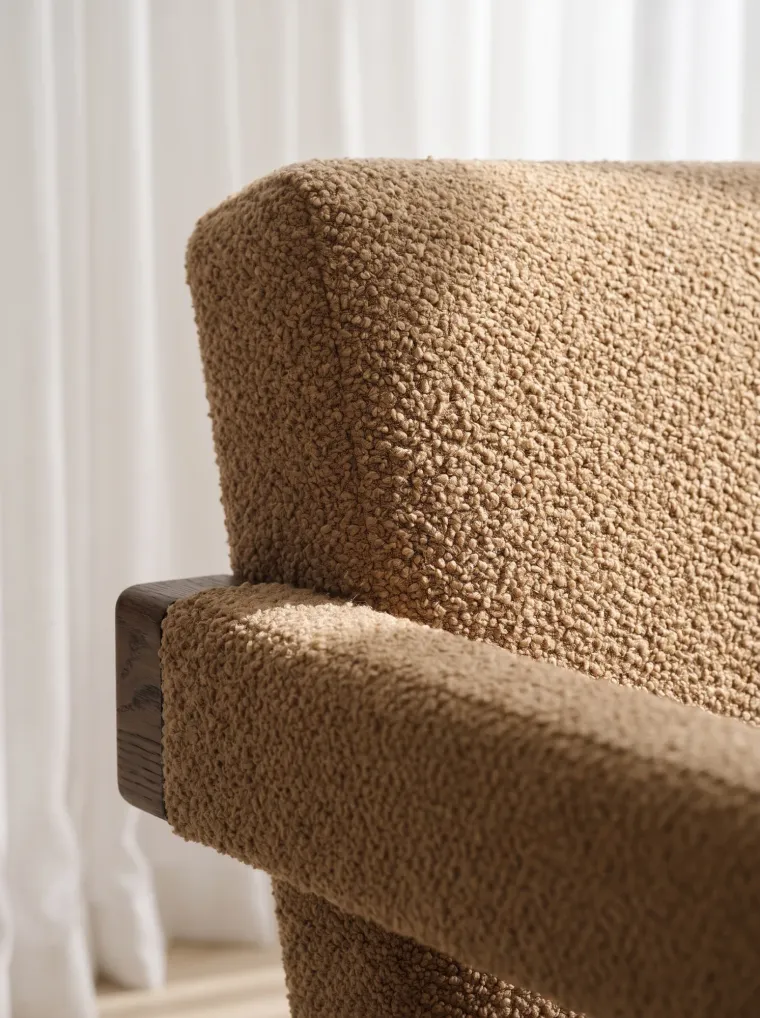
Yes, and the close-up is where a buyer decides whether to trust the rest of the page. A sofa or an armchair sells on how its fabric feels. So we render upholstery near enough to read the loops of a bouclé, the slub of a linen and the way a seam pulls across a cushion.
That only works when the fabric is built as a material rather than pasted on as a picture. A flat texture holds up at catalogue size and falls apart the moment the camera moves in. A built one keeps its depth at the armrest and along the stitching, which is the shot a fabric-led brand actually needs.
For a Melbourne interior design studio we rendered a camel bouclé armchair and a cream bouclé sofa, then moved in to the armrest and the cushion edge. Those close frames sit in an 18-image set delivered in 4 weeks.
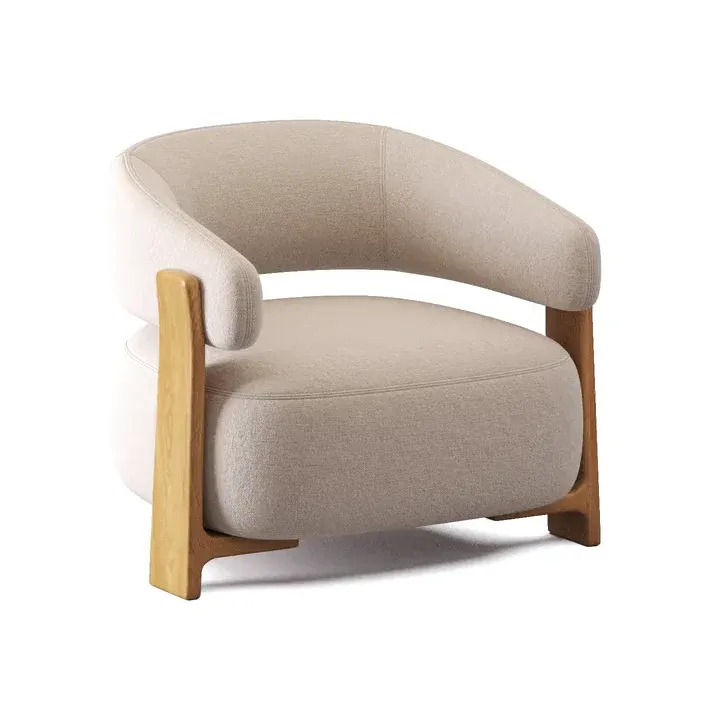
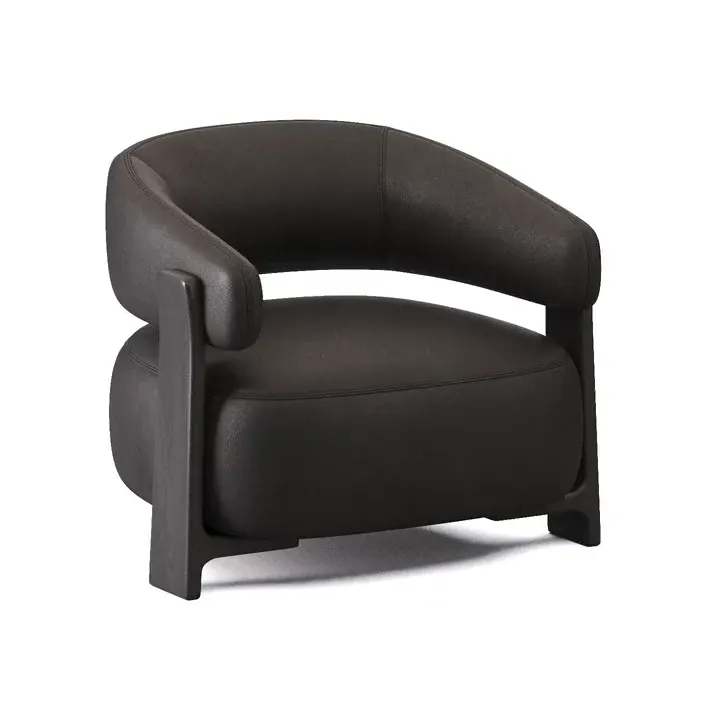
A new upholstery is a material change, not a new model. The armchair below is one model in two coverings, a cream fabric on an oak frame and a charcoal one on a black frame, framed from the same turntable.
06Who decides how the lifestyle scenes look?
You do, with our art director: one scene is approved before the look reaches the rest
+
Who decides how the lifestyle scenes look?
You do, with our art director: one scene is approved before the look reaches the rest
You do, working with our art director, Irene Sierna, and the look is agreed on one scene before it reaches the rest of the range. Lifestyle renders should look like your brand, not like the studio's last client.
It runs in 4 steps. A moodboard built from your references and brand guidelines. A style guide that fixes props, palette, light and camera height. One first scene for your team to approve. Then the approved look applied across every scene in the range.
Some categories carry their own staging rules; a nursery brand, for one, has rules about what may appear in a crib. Those go into the style guide before any scene is built, so they never arrive later as revision comments.
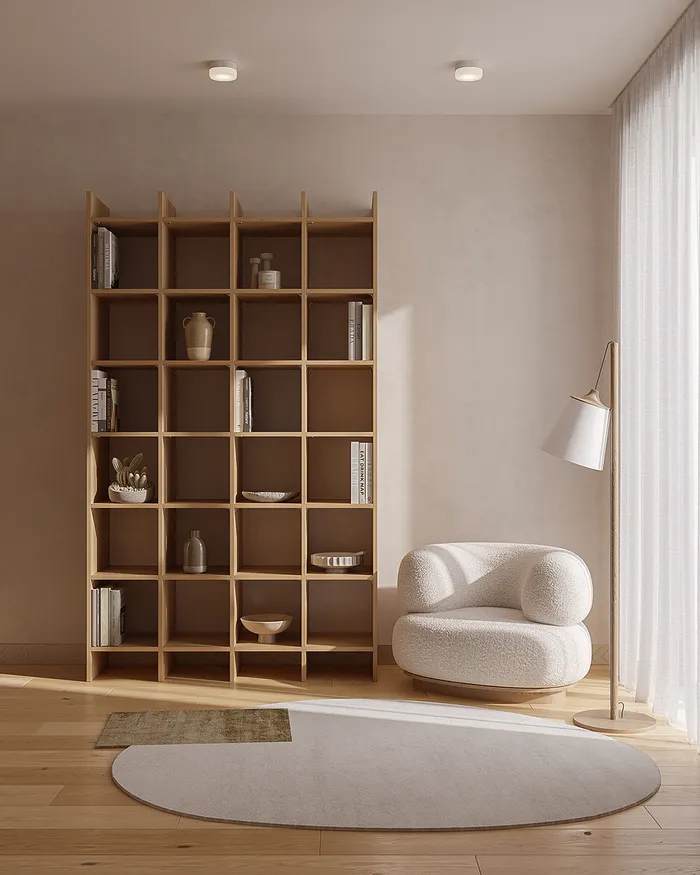
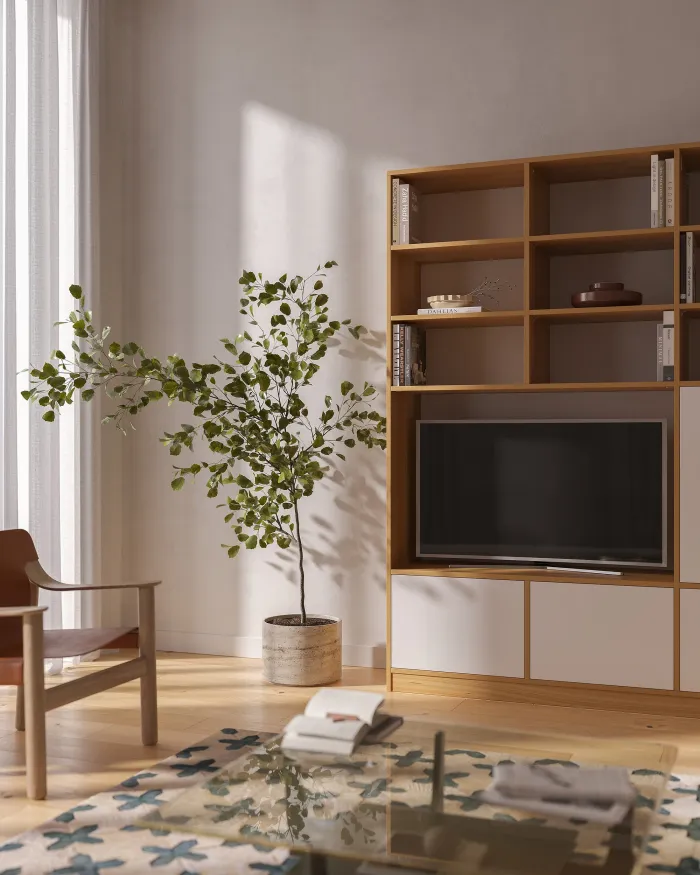
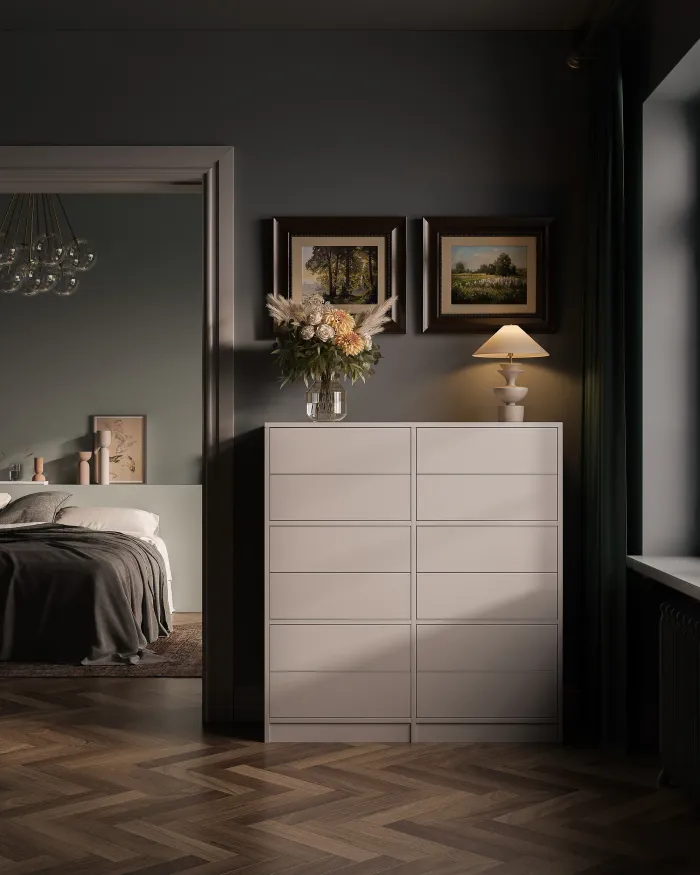
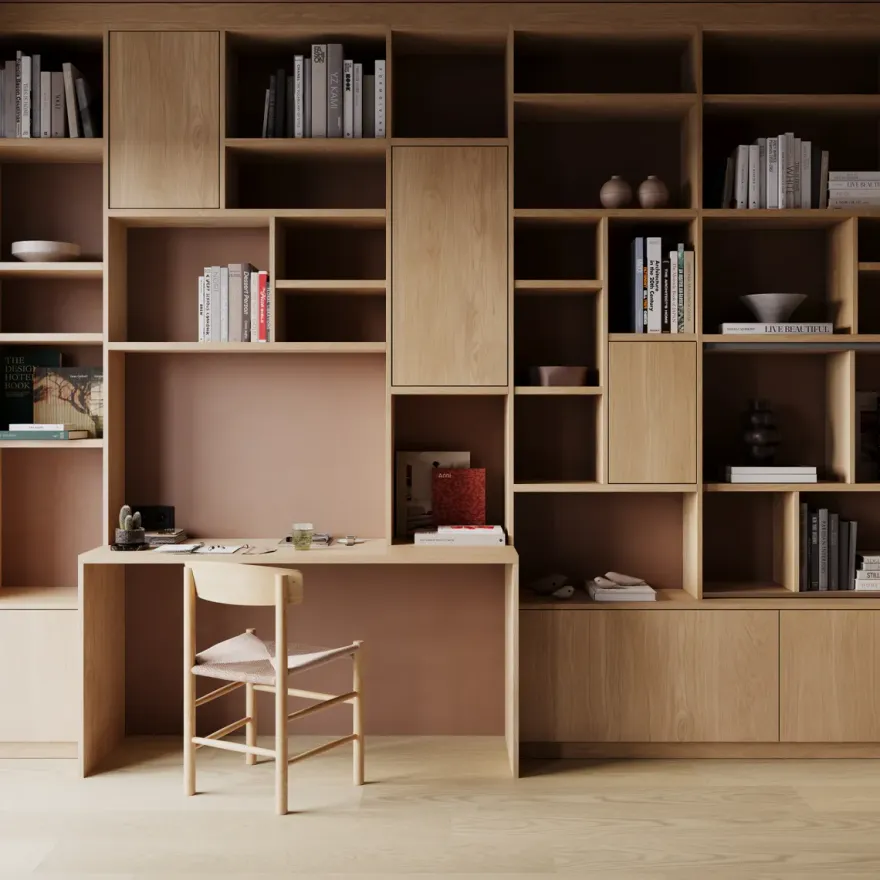
Outback Grain, an Australian custom furniture maker, shows how far one set of models stretches. The same library of modules became a bookcase wall in a pale living room, a TV unit built into a stairwell and a tall dresser in a dark bedroom, each room styled for the buyer it speaks to. Their first 10 collections took 3 weeks across 3 rounds of revisions.
- 01
Moodboard
From your references and brand guidelines
- 02
Style guide
Props, palette, light, camera height, staging rules
- 03
First scene
One scene for your team to approve
- 04
Every scene
The approved look across the whole range
07How long does a furniture catalogue take?
Around 50 SKUs in about two months, three revision rounds included
+
How long does a furniture catalogue take?
Around 50 SKUs in about two months, three revision rounds included
A batch of 10 to 20 products on white background takes one to two weeks. A catalogue of around 50 SKUs takes about two months, including modelling, rendering and three rounds of revisions. A larger catalogue, or one with several finishes per product, takes longer in proportion.
Three things move that timeline. How much reference you have: CAD files are the fastest start, while photos and sketches take longer because the model has to be rebuilt from measurement. How many finishes each product has: a 40-SKU catalogue with six finishes each is 240 images, not 40. And how many revision rounds you use, of which three are included and most catalogues use two.
Rush turnaround is available with extra team allocation. It does not compress the modelling stage, so it works best when reference material is already clean.
Timing matters in a way that is easy to miss. A photo shoot can only happen after a physical unit exists. Rendering can start from a CAD file, which means your catalogue listings and ad creative can be ready before production finishes. NordCraft Kitchens used this to approve finishes in days instead of weeks and started selling before prototypes existed. Their pre-orders rose 27%.
08What does furniture rendering cost, and what moves the price?
In the US and Western Europe, a shoot starts at three times the render
+
What does furniture rendering cost, and what moves the price?
In the US and Western Europe, a shoot starts at three times the render
We quote per project rather than per image, and the cost per image drops as the order grows. A 50-SKU catalogue costs far less per picture than five hero shots.
The gap comes from logistics. Furniture has to be shipped to a studio, unpacked, styled, shot, then shipped back, and those costs repeat for every colour variant, because each one needs its own sample and its own session.
The figures below are savings to the client, measured against what a shoot would have cost. They are not our fees, and they belong to those projects rather than being a rate you should expect. They are in US dollars because those projects were quoted that way; for clients in Germany, the Netherlands and Belgium we quote in euros.
For the shape of the gap in general rather than on one project, we costed a fifty-product catalogue from published market rates — every studio day rate, retouching tier and freight line with its source attached.
“Photographing a catalogue costs at least three times what rendering it does. In the US and Western Europe, where our clients sell, three times is the floor — not the average.”
USA
Dragonfly Furniture
Saved $8,000+ on logistics
Germany
Benuta
~$15,000 saved across 4 campaigns
USA
Urban Homecraft
Saved ~$3,000 on this project
- $8,000+
- Dragonfly Furniture
- saved on a 30-SKU launch
- ~$15,000
- Benuta
- saved across four campaigns
- ~$3,000
- Urban Homecraft
- on one scene, 15+ orders since
A fifty-product catalog, with every product needed both as a clean store listing and as a styled room scene.
09How does one 3D model become every colour variation?
40 models and six materials, not 240 separate photo setups
+
How does one 3D model become every colour variation?
40 models and six materials, not 240 separate photo setups
Once the model exists, a new colour is a material change, not a new photograph. The geometry, the lighting and the camera stay exactly where they were.
This is why the arithmetic of a catalogue changes. With photography, six finishes across 40 products means 240 setups, and each one needs a physical sample in the room. With rendering, it means 40 models and six materials applied on top.
Benuta uses this on rug campaigns. Every new colourway is ready without restaging a set, which is where the $15,000 across four campaigns came from.
It also changes what you can decide late. Finishes still under discussion can be rendered and reviewed before anyone commits to production. Photography forces the opposite order: build first, then find out how it looks.
The same asset carries further than still images. UrbanRest Seating paired lifestyle renders with animation for ad campaigns and lifted click-through rate 2.3x over their previous static campaign.
01 / 04
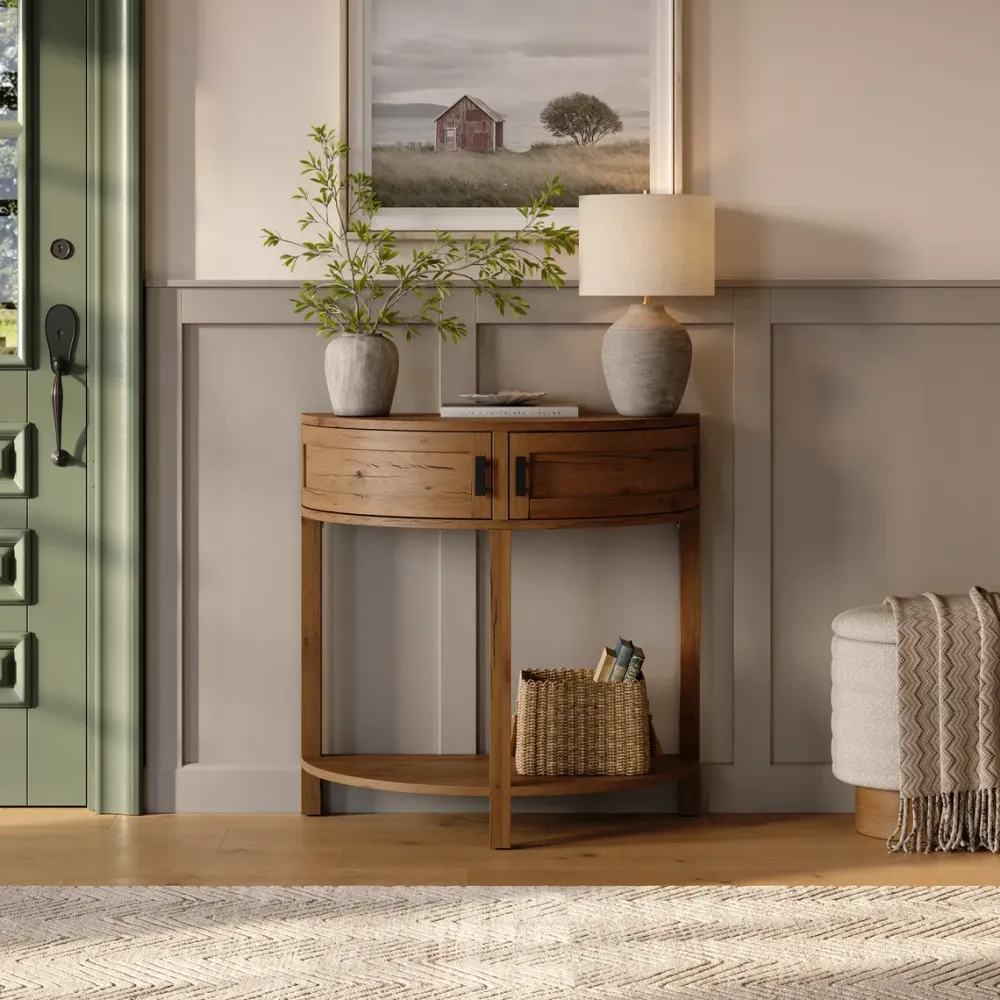
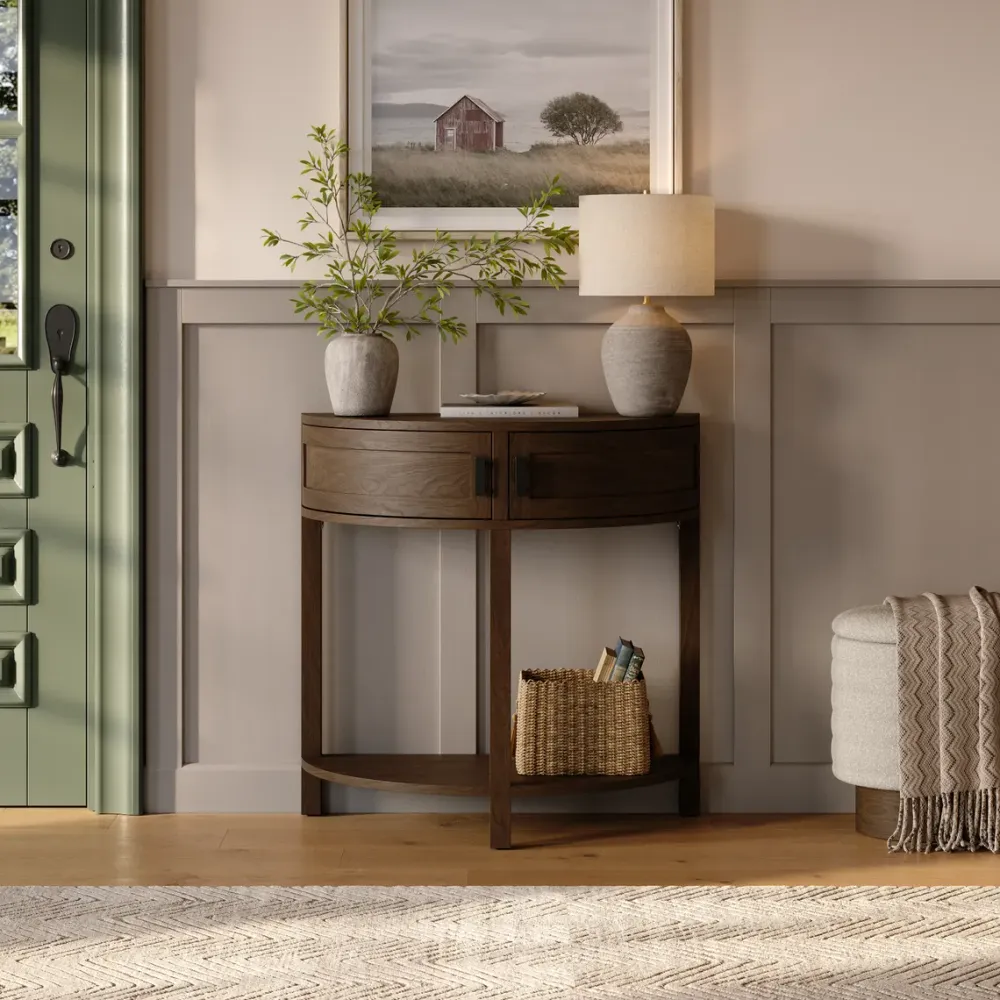
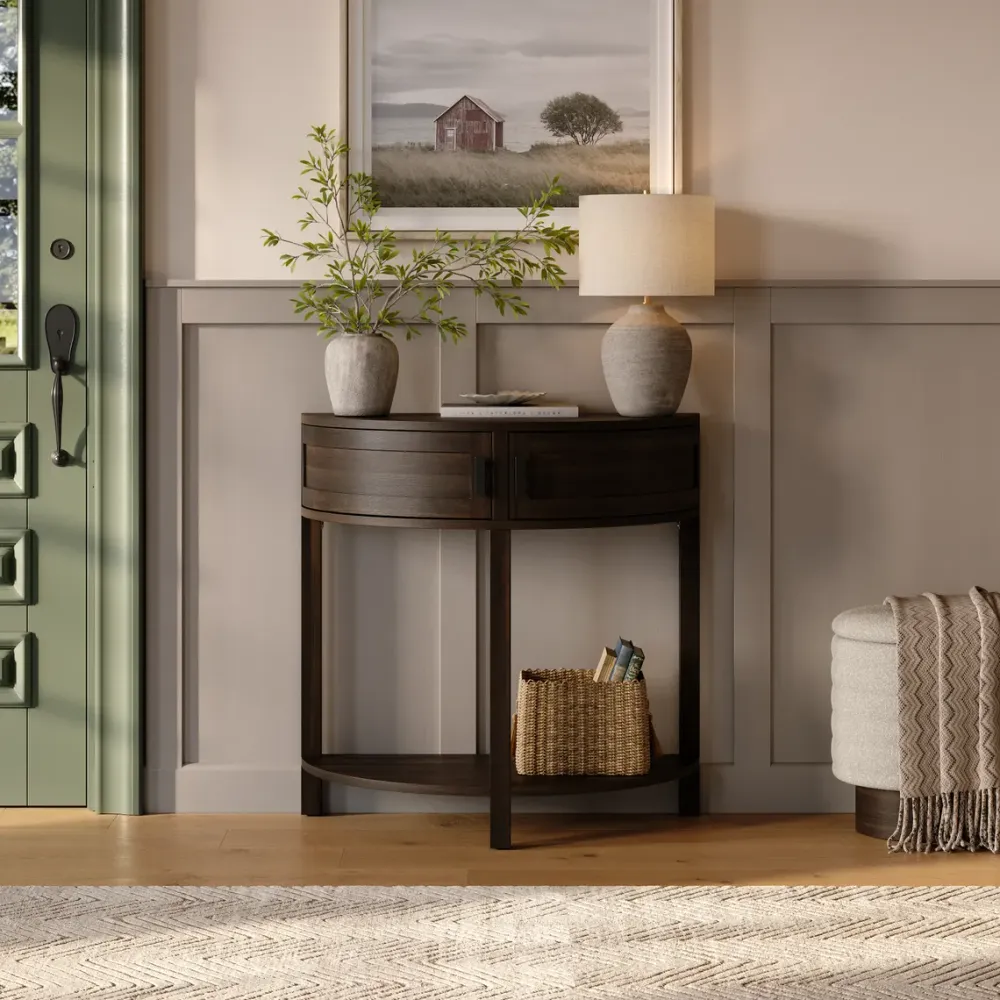
Natural oak
Pick a finish
To show 1 of 4 finishes
- Photo shoot
- 1
- table shipped, styled and shot
- 3D rendering
- 1
- model, 1 material applied
The room never moves; only the material does. With a photo shoot, every finish is another sample, another set and another session.
10What do we need from you to start?
CAD is fastest, but photos or measurements work too
+
What do we need from you to start?
CAD is fastest, but photos or measurements work too
CAD files are ideal, but they are not required. We work from four kinds of reference, in this order of speed: CAD or 3D files, technical drawings with dimensions, photographs of a physical product alongside measurements, and sketches with accurate measurements.
Alongside the geometry we need material references — fabric names, finish codes, or physical swatches photographed under neutral light. Materials are where realism is won or lost, and a guessed fabric is the most common cause of a revision round.
If you have existing photography you want the renders to match, send it. Matching an established catalogue look is easier at the start than after the first draft.
11When is a photo shoot the better call?
One finished product, a few images, no variations: shoot it
+
When is a photo shoot the better call?
One finished product, a few images, no variations: shoot it
Sometimes it is, and it is worth saying plainly.
If you have one finished product, you need a handful of images, and there are no colour or material variations, then photographing it is cheaper than modelling it. Building an accurate 3D model is an upfront cost. It pays back through reuse, and with nothing to reuse there is nothing to pay it back.
Editorial and brand campaigns that depend on natural light and real people can also be stronger shot than rendered.
The break-even sits at variation and volume. One product, one look, once: shoot it. A catalogue, several finishes, a seasonal cycle that repeats: the model earns its cost back on the second use and every use after.
12Can we start with one product before the catalogue?
A paid pilot: one piece modelled and rendered as the whole range would be, in seven working days
+
Can we start with one product before the catalogue?
A paid pilot: one piece modelled and rendered as the whole range would be, in seven working days
Yes, and most catalogues should. We take one product — ideally the one you expect to be hardest — and build it from whatever reference you have: CAD, drawings, or photographs with dimensions. Then we render it the way the full range would be rendered: three angles on white and one lifestyle scene.
The pilot is a fixed piece of work with modelling included, delivered in seven working days once the brief and references are confirmed. Three rounds of revisions are included, the same as on a full project, and the model is yours afterwards — every later colourway, angle or scene comes out of it without being built again.
It is priced from a short brief rather than a list, because a fluted oak sideboard and a deep-buttoned sofa are not the same modelling job. Send the product and its references and we will quote it before anything is committed.
If the catalogue goes ahead, the pilot piece is already its first SKU. Nothing is paid twice.
- 1 product
- Modelled and rendered
- three angles on white, one lifestyle scene
- 7 days
- Working days to delivery
- once brief and references are confirmed
- 3 rounds
- Revisions included
- the same as a full project
13Working with us
100+ catalogues delivered, 75% of revenue from clients who return
+
Working with us
100+ catalogues delivered, 75% of revenue from clients who return
We have delivered over 100 furniture catalogues, and 75% of our revenue comes from clients who come back. One US manufacturer has ordered more than 15 projects with us and is still ordering.
That pattern shapes how we quote. We would rather scope a catalogue properly once and keep working with you across seasons than win a single order.
Not sure whether your catalogue is a fit? Send the product list with its reference material and we will come back with a scope and an estimate before anything is committed — or start with the one-product pilot above.
Example projects
View all projects.Ddro4IoZ_2sd7xH.webp)
USA
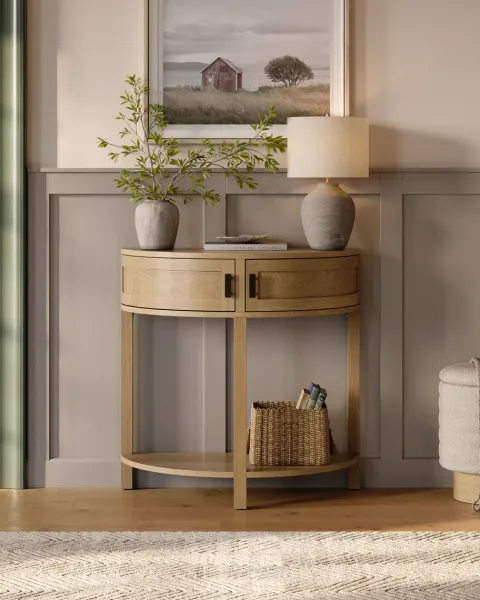
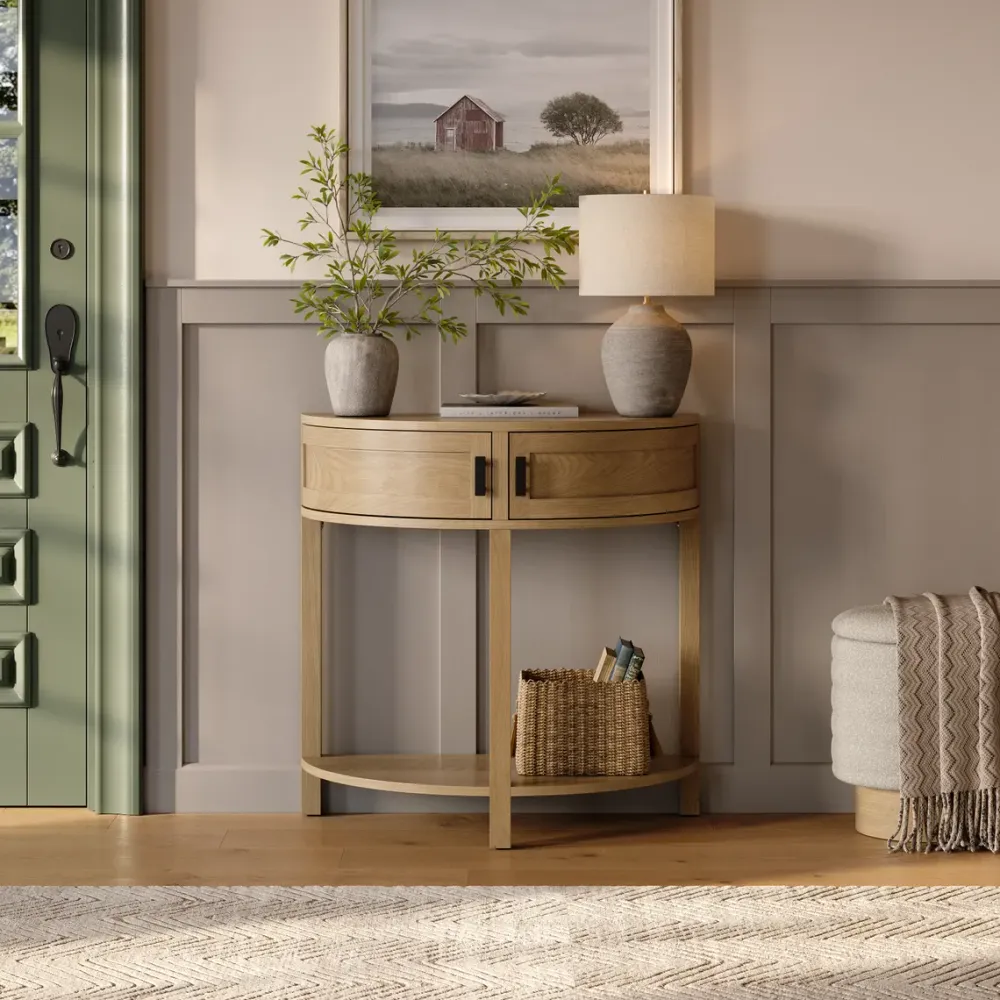
Dragonfly Furniture — 3-Tier Wood Console Table
No reshoot for new finishes
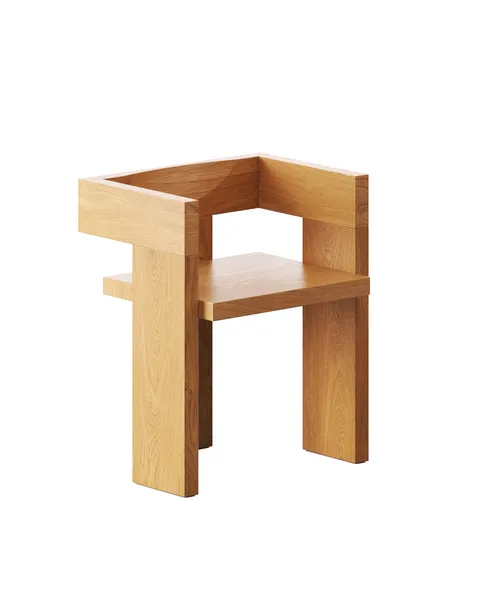
USA
Chairs & Armchairs — 3D Modeling Reel
Picked from several projects — most for one New York studio
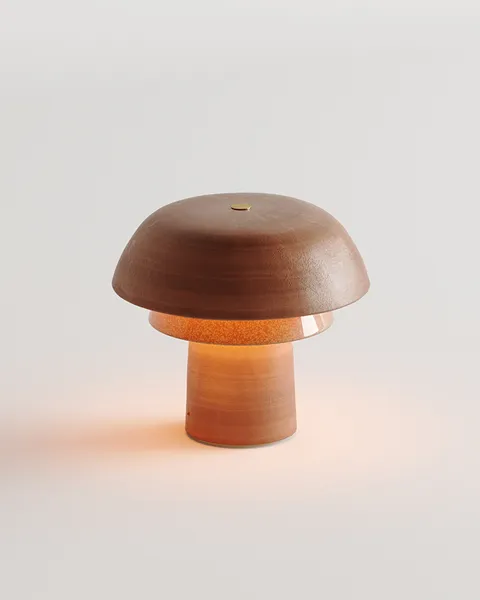
Germany
Table & Floor Lamps — 3D Modeling Reel
Several lighting projects, most for one German maker
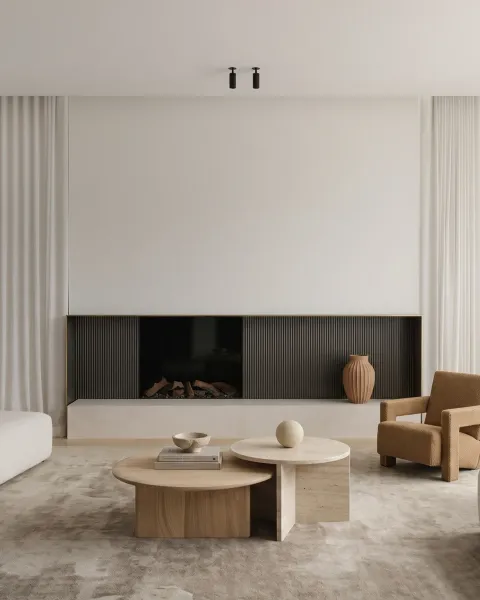
Australia
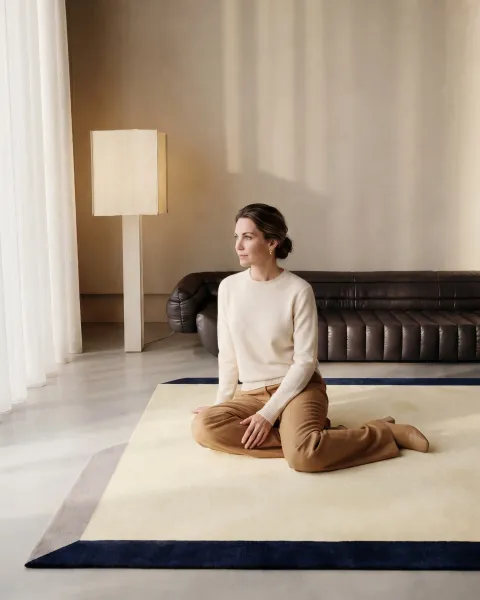
Melbourne interior design studio — Bronze and Bouclé
Full scheme to sign-off in one presentation
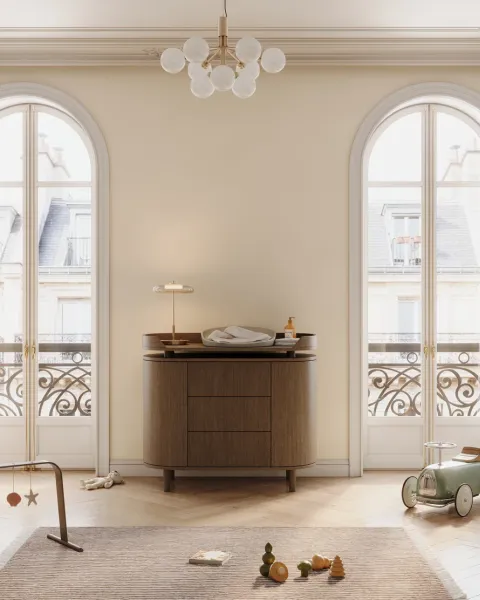
Denmark
KAS Kopenhagen — Kai Nursery Collection
One room scene and a full product set from one set of models
Germany
Benuta — Rug Lifestyle Campaign I
~$15,000 saved across 4 campaigns
Behind this service

In our business, the true devil is in the details — not a single trifle can hide from Roman's piercing eye. An advocate of natural colors in 3D visualization.
Roman Strautmanis, 3D Artist
What affects your quote
- →Number of scenes or camera angles you need
- →Complexity of the model and materials
- →How many revision rounds you use
- →Standard timeline versus a rush turnaround
We assess each project on its own merits rather than a flat rate — as a rule, the more images you order in one project, the lower the cost per image. Send us a brief description and we'll respond with an estimated cost.
Common questions
Still deciding? Send your product list with whatever reference you have and we will come back with a scope, a timeline and an estimated cost before anything is committed.
Get an estimate→Or start with a one-product pilot→What kinds of furniture do you render?+
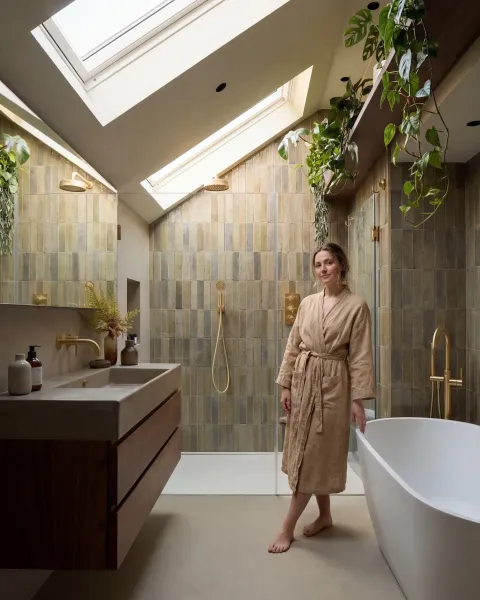
Tables, cabinetry, beds, seating, lighting and rugs, each with a real client behind it. Tables and nightstands: console, entry and accent pieces for Dragonfly Furniture in the US. Kitchens and cabinetry: NordCraft Kitchens in Germany, Urban Homecraft in Brooklyn, and library furniture for Camber, a Belgian cabinet maker. Made-to-measure furniture: Holzconnection in Germany. Beds: one range shown across about eight room settings for a Dutch bed manufacturer. Bathrooms: five scenes for a UK bathroom furniture maker. Chairs, armchairs, coffee tables and nightstands: a custom furniture studio in New York. Lighting: table and floor lamps for a German lighting manufacturer. Rugs: Benuta.
Do you render products other than furniture?+
Yes. Furniture is where most of our catalog work sits, but 3D product rendering service work covers any physical object — we have rendered lighting, rugs, wallpaper, and bathroom and kitchen fixtures the same way. The pipeline does not change with the category: one accurate model, then every finish and scene comes out of it. Product visualization for a lamp and 3D rendering product work for a sofa are the same job with different geometry.
What should I compare when choosing between product visualization companies?+
Ask any 3D product rendering company for work in your own category, not their best image overall — a studio strong on architecture may never have lit fabric. Ask how many revision rounds are included, and whether you keep the models. Product design rendering is worth separating out in the brief too: visualising a design still being decided is a different job from photographing a finished line, and it is the one where a 3D product visualization studio saves the most, because nothing has been manufactured yet.
Do you need CAD files for furniture or product rendering?+
Preferred but not required. We work with CAD files, photos, sketches, or even measurements — our team can build photorealistic 3D models from any reference material you provide.
Can we test you on one product before committing to a catalogue?+
Yes — a paid pilot. One product, modelled from your CAD, drawings or photographs, rendered as three white-background angles and one lifestyle scene, delivered in seven working days with three rounds of revisions. Modelling is included and the model is yours afterwards. It is quoted from a short brief rather than a price list, and if the catalogue goes ahead the pilot counts as its first SKU.
How long does a full catalog take?+
Our reference points: Dragonfly Furniture's 30 SKUs were delivered in 6-8 weeks, and a catalogue of around 50 SKUs takes about two months, with modeling, rendering and revisions inside that window. A short run of white-background renders moves faster because there is less to model. A catalogue well past 50 SKUs takes longer than those two months rather than the same — anyone quoting one figure for every catalogue size is quoting a slogan. Send the SKU count and tell us how much CAD already exists, and we will give you a date instead of a range.
How many revisions are included?+
Three rounds of revisions are included in the base price, covering geometry, lighting, and detail adjustments before final approval. Reviews run on a shared Miro board: your team leaves comments directly on the image, at the exact spot that needs changing, and everyone sees the same current version instead of chasing files across email threads.
How much does furniture rendering cost compared to a photo shoot?+
We quote per project, and cost per image falls as the order grows. In the US and Western Europe, where our clients sell, a studio shoot runs at least three times the cost of rendering the same catalogue, mostly because furniture has to be shipped, styled, and reshot for every finish.
Can you render colour and material variations without a new shoot?+
Yes. Once the model exists, a new finish is a material change, not a new photograph. A 40-SKU catalogue with six finishes each means 40 models and six materials, not 240 separate setups.
Can you match our existing product photography?+
Yes. Send examples of your current catalog and we match lighting, camera height, and white balance so new renders sit alongside old photography without a visible seam. This is easier to set up before the first draft than to correct afterwards.
Do we own the 3D models afterwards?+
Yes. The source models are yours, which is what makes them reusable for AR, configurators, and future campaigns rather than a one-off image order.
Can you deliver AR-ready 3D models?+
Yes. We deliver AR-ready models in GLB to clients who need them. They come from the same model built for the renders, so AR is an extra output rather than a second modelling job. If AR is a later plan rather than a launch requirement, the model you own afterwards keeps that option open.
What files do we receive?+
Whatever your channels and retailers ask for. A typical package gives every view of a product as a JPG on white in the square sizes your listings use. Each view also comes as a centred PNG with a transparent background, plus a mask for Photoshop and brochure work. Send your retailers' image specs and we deliver to them.
When is photography still the better choice?+
When you have one finished product, need a handful of images, and have no colour or material variations. Building an accurate model is an upfront cost that pays back through reuse — with nothing to reuse, photographing it is cheaper.