What we do
Services
Seven services, and most projects need only one or two of them. This page is the map: what each one produces and what it replaces. Where you start depends on whether you're launching a catalog, selling a room, or presenting a building that doesn't exist yet.
Last updated
Start here
Which one do you need?
You have products and need them shot. A catalog, a new finish range, a launch with no physical samples yet. Build the model once, and every colour, angle, and channel comes out of it without a reshoot.
You're selling a space, not an object. Styled rooms that show how the product lives. This is what replaces booking a location and a photographer.
The building doesn't exist yet. Exteriors and developments for approval, marketing, or presale.
You need the geometry itself, not a picture of it: the model is the deliverable.
You already have renders and need them to move, for campaigns and social.
The customer should turn the product on your product page, in render quality rather than a live 3D model.
The customer should be the one changing the finish, in the browser.
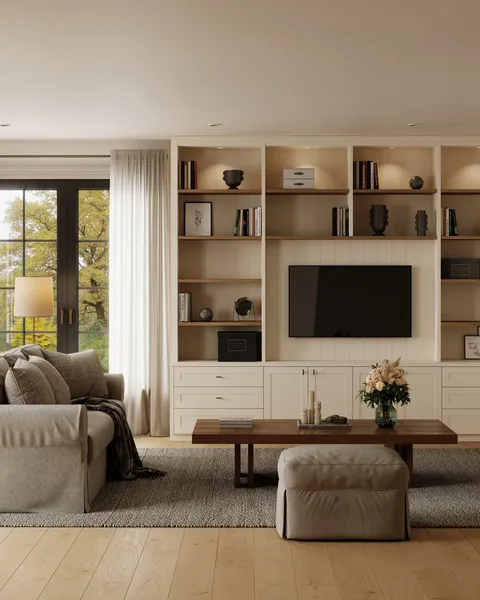
Furniture & Product Rendering
Photos your customers can't tell from real — before a single unit leaves the factory.
Learn more →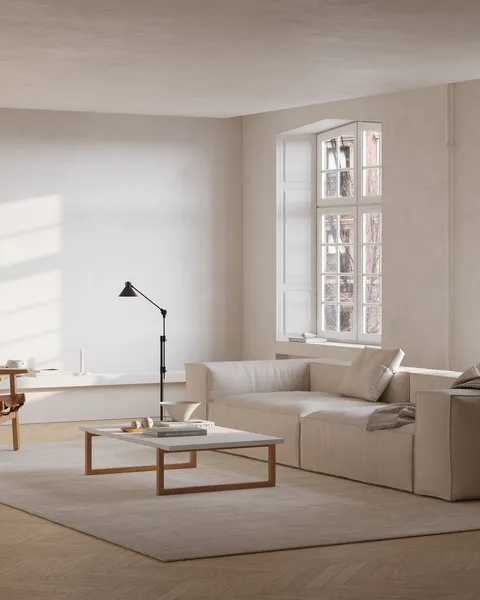
Interior Visualization
Rooms that don't exist yet, styled and lit like they've been lived in for years.
Learn more →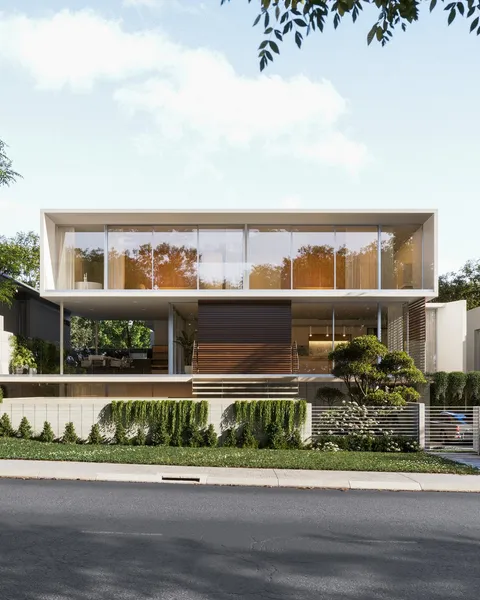
Architectural Visualization
Show the building before the first brick is laid.
Learn more →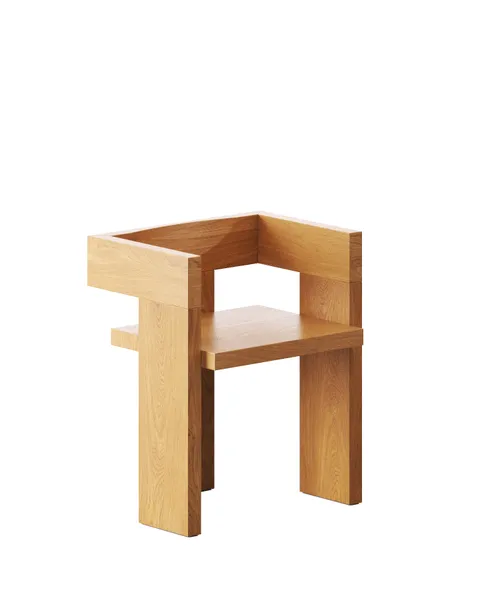
3D Modeling
One accurate model, unlimited renders — the foundation everything else is built on.
Learn more →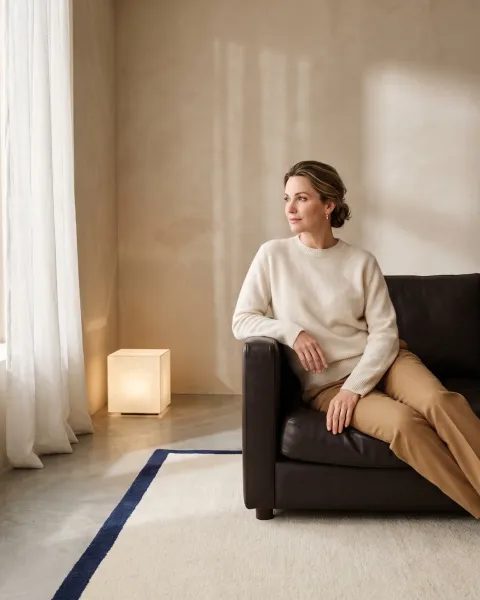
Animation & AI Animation
Furniture isn't static — your marketing shouldn't be either.
Learn more →Product Configurator
Let the customer choose the color — and watch it change instantly, on your site.
Learn more →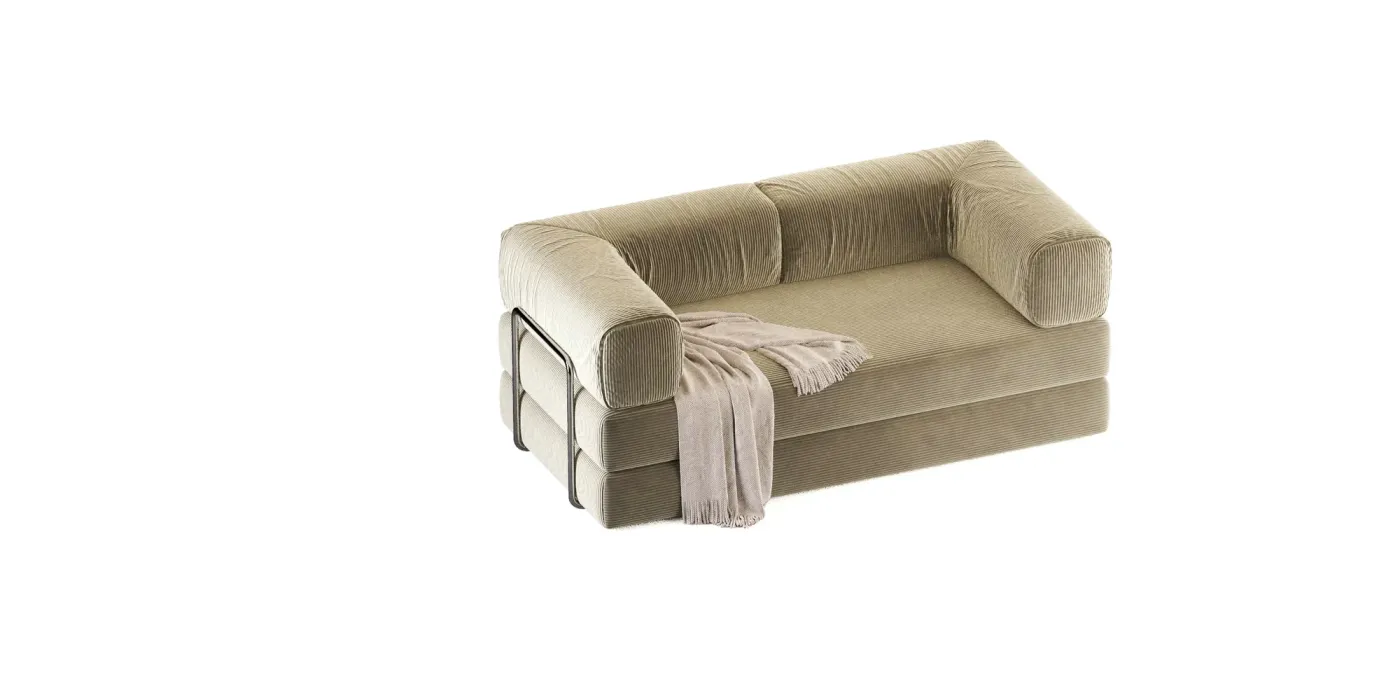
360° Product Views
Let the customer turn the product on your product page. Every angle is a finished render, and every colourway turns from the same camera.
Learn more →Common questions
Still deciding? Send your product list with whatever reference you have and we will come back with a scope, a timeline and an estimated cost before anything is committed.
Get an estimate →I know what I want but not which service it is — where do I start?+
Start from the outcome, not the technique. Products that need to look photographed are furniture and product rendering. A room that has to sell a mood is interior visualization. A building that does not exist yet is architectural visualization. If the images already exist and need to move, that is animation. If you need the geometry itself to hand on, that is 3D modeling. If the customer should turn the product on the page, that is 360° product views; if they should be the one changing the finish, that is a configurator. Send the brief if it is still not obvious, because part of the answer is telling you when it is two services rather than one.
When is 3D the wrong answer?+
One finished product, a handful of shots, and no colour or material variations. Then building the model costs more than simply photographing it, and we will say so rather than sell you a render. 3D earns its place when the same object has to appear in many finishes, many scenes, or many channels, or when the thing does not exist to be photographed yet. Dragonfly Furniture took a 30-SKU line to market that way, before a single unit had been manufactured.
Can one project use more than one of these services?+
Often, and it is worth planning for. The model is the expensive part of the pipeline, not the picture. Once a product is built accurately, the same geometry produces white-background renders, a styled room, a turntable animation, and the assets a configurator runs on. Adding the second use later still works, and either way the modeling is not paid for twice.
Is 3D actually cheaper than a photo shoot?+
In the markets our clients sell in, a studio shoot runs at least three times the cost of rendering the same scope, often more. Most of that gap is logistics and studio rental rather than the photography itself: the product has to be shipped, styled, and shot again for every finish. Benuta, a German rug brand, ran four large campaigns with us and saved roughly $15,000 against studio photography. A new colourway is a material change inside a scene that already exists, not a session of its own.
What do you need from us before you can quote?+
A list of what needs rendering, and whatever reference already exists. CAD is preferred but not required. Photos, sketches, or measurements are enough to model from. You get a scope, a timeline and an estimated cost back before anything is committed. The estimate is free; the work is not.
Do you work with brands outside your own market?+
Most of the portfolio is outside it: 54 projects across 10 countries, with the bulk of the work in the US, the Benelux countries, and Germany.
Not sure where to start?
How to choose a 3D rendering partner
A buyer's checklist covering portfolio fit, revision policy, turnaround, and process — the same criteria we'd want a manufacturer to run against us.