How One 3D Model Becomes Unlimited Color Variations
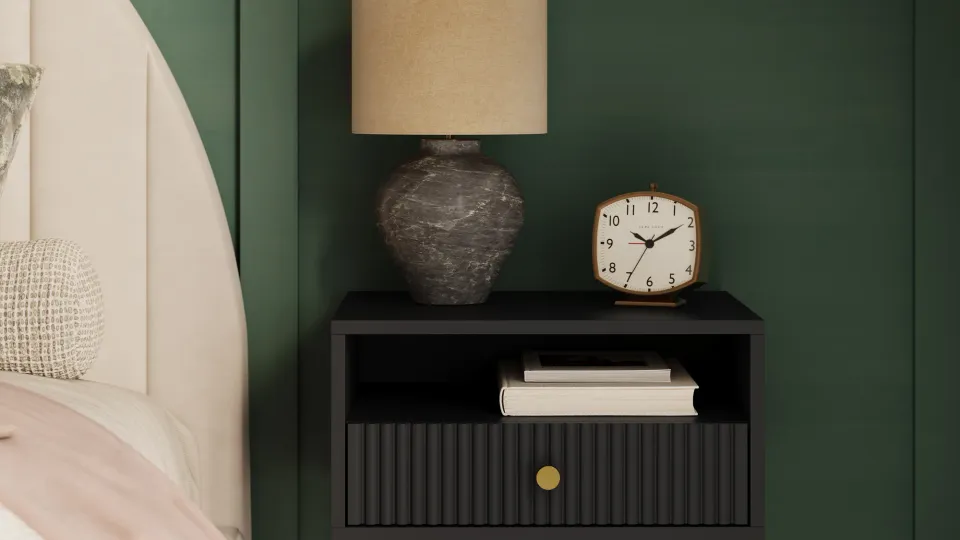
A manufacturer launching a sofa in six fabric options used to mean six physical samples and six photo shoots. With 3D rendering, it means one 3D model and six material changes — the difference between the two is most of the cost and time in a multi-variation launch.
The model is the reusable part
Once a 3D artist builds an accurate model — matching real proportions, joinery, and material detail — that model becomes a reusable asset. Every future color variation, every new marketing scene, and every animation draws from the same model, with zero additional modeling cost. The modeling work happens once; everything downstream of it is a rendering change.
What actually changes between variations
Swapping a fabric color, a wood finish, or a metal tone is a materials-and-lighting change applied to the same geometry — not a new model and not a new physical sample. This is also why the cost curve looks different from photography: the first variation carries the full modeling cost, and every variation after that is comparatively small.
Why this matters for launch decisions
Because variations are cheap once the model exists, manufacturers can offer more color and material options at launch without the reshoot cost that would normally make a large color range expensive to photograph. It also means a color range can expand after launch — adding a new finish later doesn’t mean revisiting the whole photo shoot, just rendering the new option against the model that already exists.
Where this doesn’t apply
This only works because the underlying product hasn’t changed — same shape, same construction, different surface. A genuinely new product (a new frame, a new silhouette) still needs its own model. The savings are specific to variations of something that’s already been modeled, not a shortcut around modeling new furniture.
If you’re planning a launch with more than one color or material option, get in touch with the range you’re considering and we’ll scope the model-once, render-many approach for it.

.Ddro4IoZ_2sd7xH.webp)