White Background vs. Lifestyle Renders: Which Do You Need?
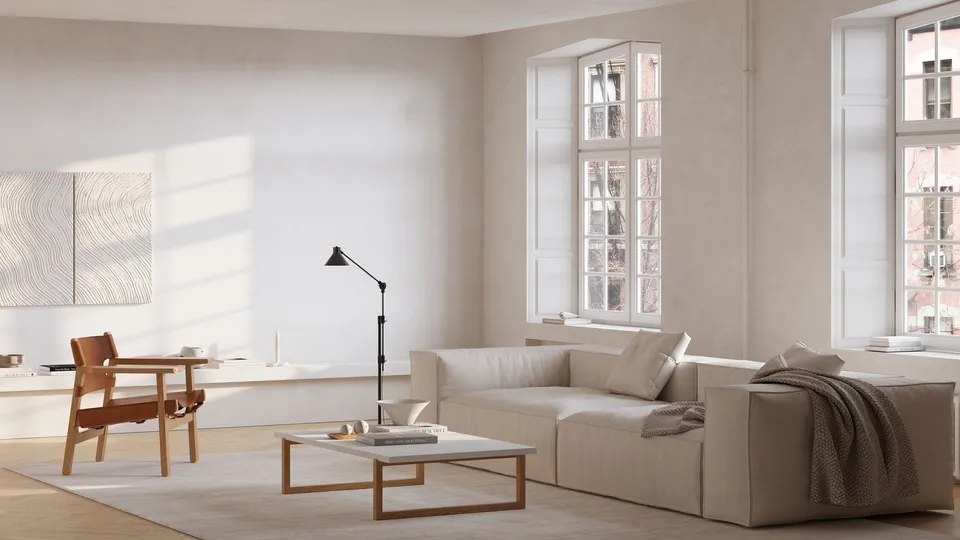
Most catalog projects end up needing both — but they solve different problems, and it’s worth knowing which one you’re actually asking for before a project gets scoped.
White-background renders: the product, clearly
A white-background render shows the product on its own, evenly lit, with nothing else in the frame. It’s built for places where the product needs to be judged on its own merits — a marketplace listing, a store’s product page, a spec sheet — anywhere a shopper is comparing this exact item against others.
Lifestyle scenes: the product, in context
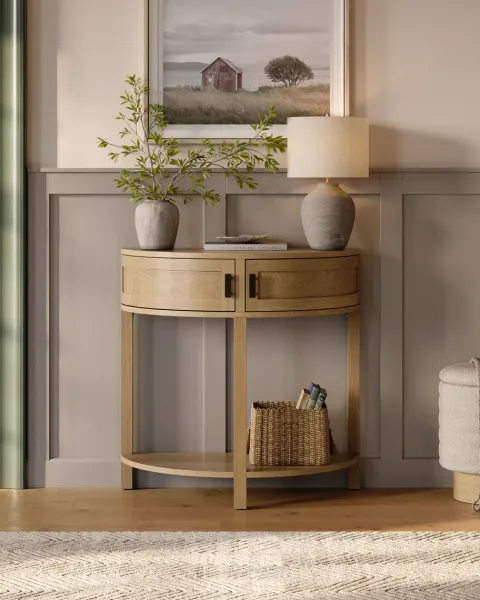
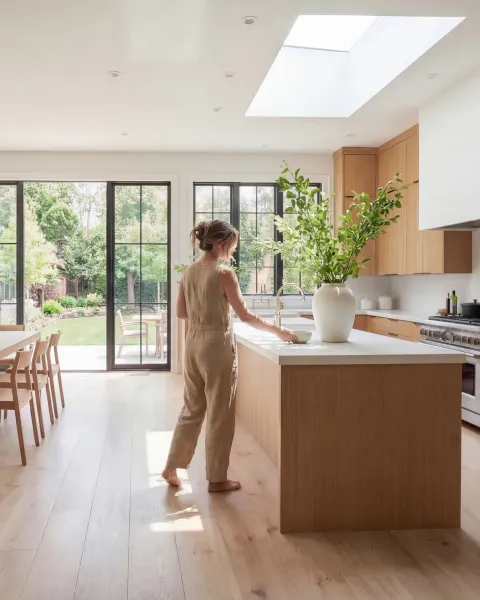
A lifestyle scene places the same furniture in a styled room — living room, bedroom, kitchen, or a commercial space — lit and dressed to match a design style your audience responds to (modern, minimalist, Japandi, vintage, and others). It’s built for the moment a shopper is deciding not just “do I like this chair” but “do I like this chair in a room like mine.”
Where each one belongs
- White-background: marketplace and e-commerce listings, product spec pages, catalogs where the buyer is comparing products directly.
- Lifestyle scenes: hero banners, social ads, brand campaigns, anywhere the goal is to sell a feeling as much as a product.
They come from the same 3D model
Because both render types start from the same 3D model, ordering a white-background render and a lifestyle scene of the same product isn’t two separate projects — it’s two outputs from one modeling investment. This is also why a catalog project often ends up as a mix of both: white-background for the store listings, a handful of lifestyle scenes for the marketing that drives traffic to them.
Not sure which mix your launch needs? Get in touch with where the images will actually be used and we’ll recommend the split that fits.
.Ddro4IoZ_2sd7xH.webp)