3D Furniture Renders for E-Commerce: What Actually Converts
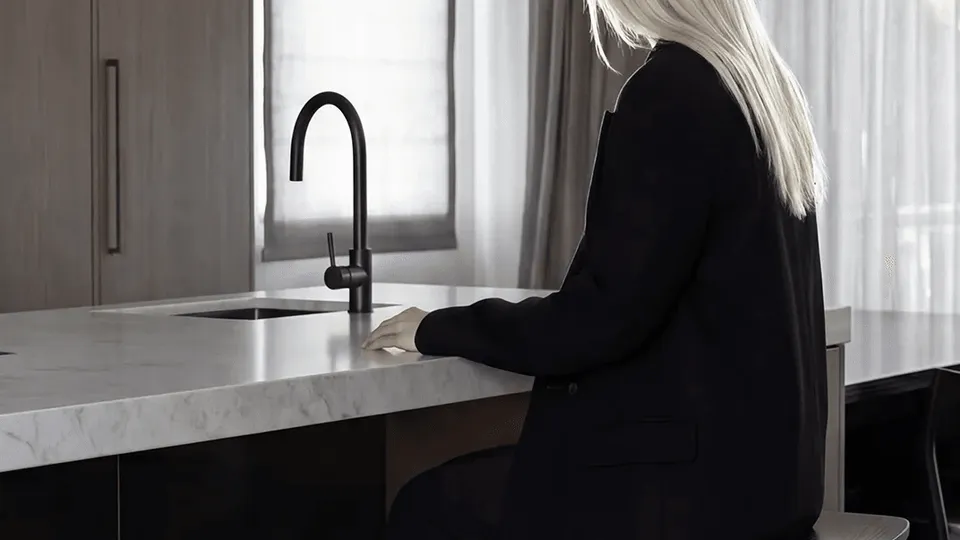
An e-commerce listing and a social ad are asking two different questions, even when they’re selling the same chair. Treating every render the same way — one hero shot, reused everywhere — is the most common reason a catalog underperforms online.
The listing image has one job: remove doubt
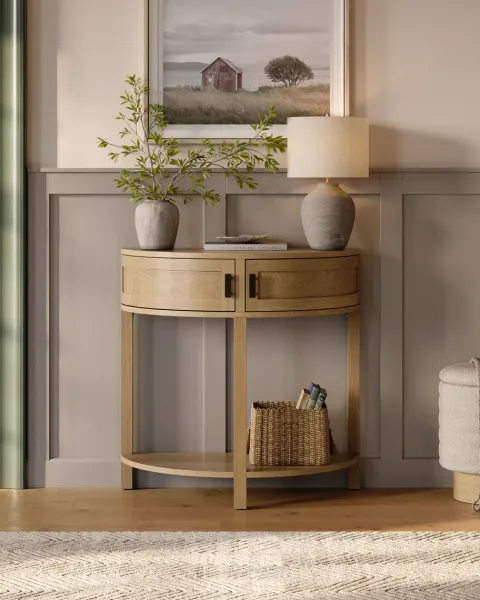
On a marketplace or store product page, a shopper is comparing this item against several others in open tabs. A clean white-background render, shot straight-on with consistent lighting across the whole catalog, is what lets them compare products fairly and quickly. This is the same white-background output covered in white background vs. lifestyle renders — it belongs on every listing, not just the hero product.
For a piece sold in several fabrics, the listing can go one step further: a 360° product view built from the same renders lets the shopper turn the piece and switch fabric without losing the angle.
The ad image has a different job: stop the scroll
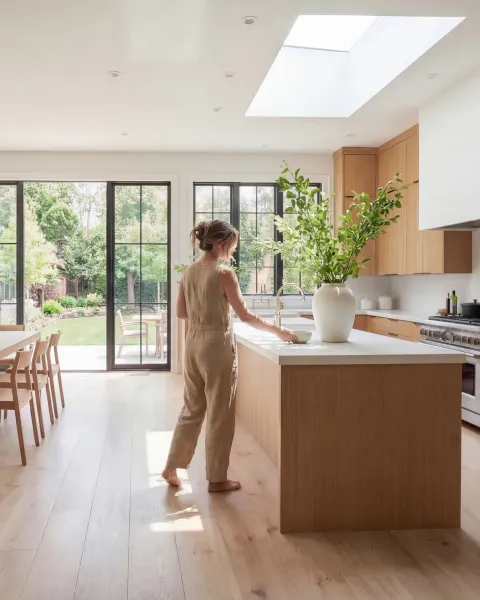
A social ad or a hero banner isn’t competing with other listings — it’s competing with everything else in someone’s feed. That’s where a styled lifestyle scene earns its place: the same product, placed in a room styled to the design aesthetic the target buyer already responds to. UrbanRest Seating’s ad campaign using this approach saw a 2.3x increase in ad click-through rate — a real result from swapping a plain product shot for a styled scene built for the placement it was actually running in.
Consistency matters more than any single image
Because both render types come from the same 3D model, a catalog doesn’t have to choose one style and live with it. The bigger mistake is inconsistency — white-background renders with slightly different lighting or crop across a catalog make a store look unfinished, even when every individual image is good. Rendering the whole catalog from the same models under the same lighting setup is what keeps a 50-SKU store looking like one brand instead of fifty separate photoshoots.
Matching the image to where it’s used
Before ordering renders, it’s worth mapping out where each one is going: marketplace listing, store page, retargeting ad, social post, email banner. Each placement has a different job, and knowing that upfront is what actually drives the render list — not a generic “get us some product photos” brief. That’s the mix a furniture rendering project is built around: one 3D model producing every output a launch needs, not a separate shoot per placement.
If you’re planning renders for an upcoming launch, get in touch with the placements you need to fill and we’ll help you scope the mix of white-background and lifestyle shots that fits.
.Ddro4IoZ_2sd7xH.webp)