How to Choose a 3D Rendering Partner for Your Furniture Catalog (Buyer's Checklist)
.Ddro4IoZ_qStcT.webp)
Picking a 3D rendering studio for a furniture catalog is a decision you’re stuck with for every SKU that studio touches — a bad fit shows up as slow revisions, inconsistent lighting across a catalog, or a model that has to be rebuilt from scratch for your next collection. Here’s what to actually check before you commit, framed as criteria you can apply to any studio, not a ranked list of specific companies.
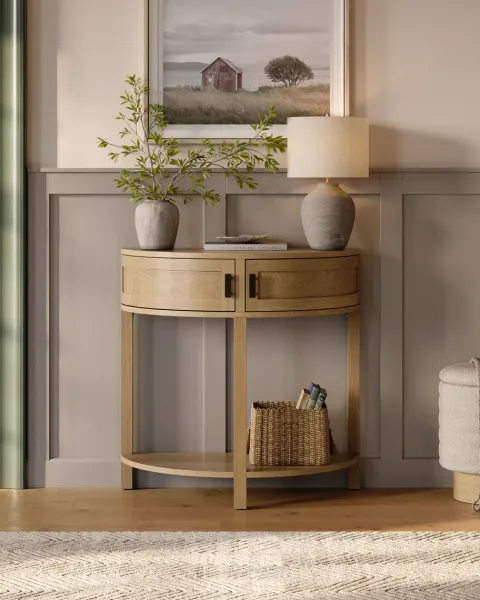
Does their portfolio show your product category, not just impressive renders
A studio can produce a stunning single hero shot and still struggle with a 50-SKU catalog that needs to look visually consistent from the first product to the last. Ask specifically for examples in your category — furniture, not just “3D renders” — and for a project of comparable scale to yours, not just their single best image.
How many revision rounds are actually included
“Revisions available” and “three rounds included in the base price” are different commitments — one is open-ended and billed as you go, the other is a fixed scope you can plan around. Get the number in writing, and ask what counts as a revision versus a change request outside scope.
What do they need from you to start
A studio that requires perfect CAD files before starting will slow you down if you’re working from sketches, product photos, or just measurements. Ask directly whether they can build an accurate model from what you already have — the answer tells you a lot about how flexible the rest of the process will be.
Is the turnaround time confirmed in writing, not just “a few weeks”
A vague timeline estimate isn’t a commitment. Ask for a specific range tied to your actual scope — number of SKUs, camera angles, and revision rounds — and get it in writing before you commit a launch date to it.
How does communication actually work day to day
Some studios run everything through email threads that get lost by round three; others use a shared board or project tool where you can see status and leave feedback in context. Ask what the day-to-day process looks like before the project starts, not after the first miscommunication.
Do they sign an NDA before you share unreleased products
If you’re rendering a product before it’s publicly announced, confidentiality matters. A studio that hesitates on an NDA, or doesn’t have a standard one ready, is a signal worth noticing early.
Is the quote structured, or just a number
A quote broken down by scene count, model complexity, and revision rounds tells you what drives your cost and what happens if scope changes mid-project. A single flat number with no breakdown makes it hard to know what you’re actually paying for — or to compare it against another studio’s quote on the same basis.
Putting it together
None of these criteria alone rules a studio in or out — together, they tell you whether a studio is set up to handle a real catalog, not just a portfolio piece. At Render Friends, this is the same checklist we’d want a manufacturer to run against our own furniture rendering services: a portfolio built on 100+ delivered catalogs, three revision rounds included as standard, CAD files preferred but not required, NDAs signed on every project, and a quote broken down by what actually drives the cost.
If you’re evaluating studios for an upcoming catalog, get in touch with your product list and we’ll walk you through exactly how our process would apply to your project.
.Ddro4IoZ_2sd7xH.webp)