How Lighting and Style Choices Change the Mood of a 3D Interior Scene
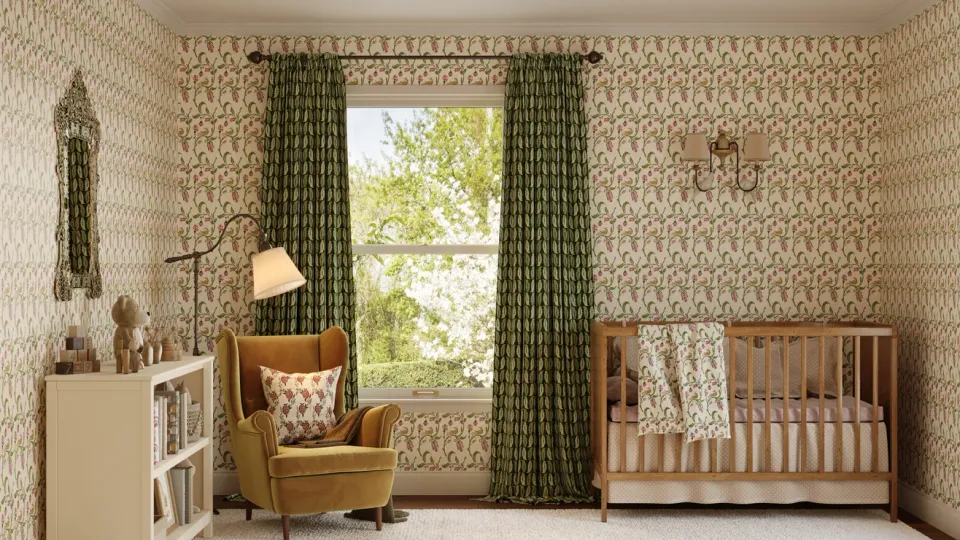
The same sofa in the same room can look like a magazine cover or an empty showroom, depending entirely on how it’s lit and styled. That’s the part of interior visualization that has nothing to do with the 3D model itself — it’s a creative direction decision, made before a single light is placed.
Style sets the emotional register first
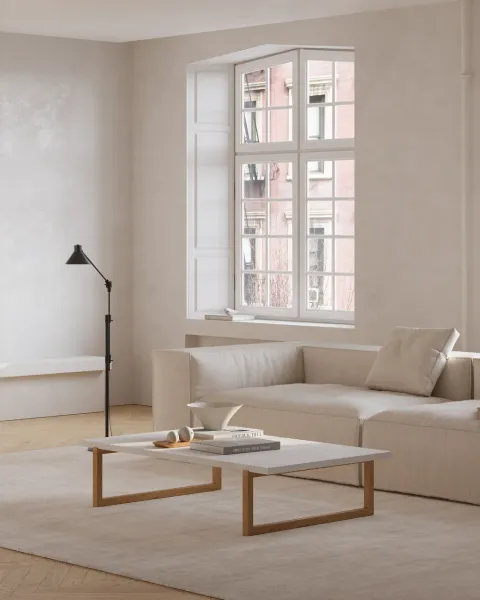
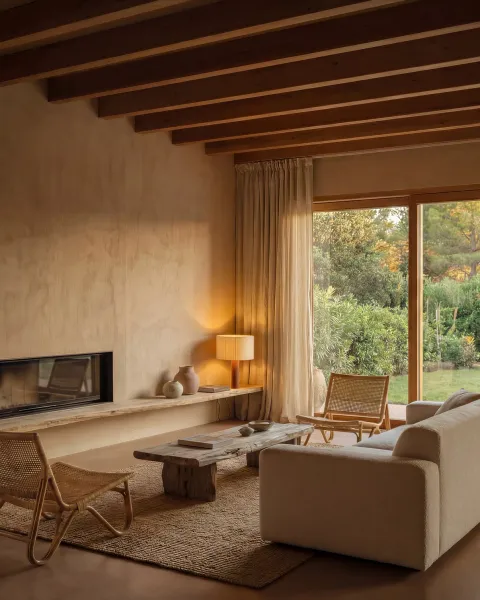
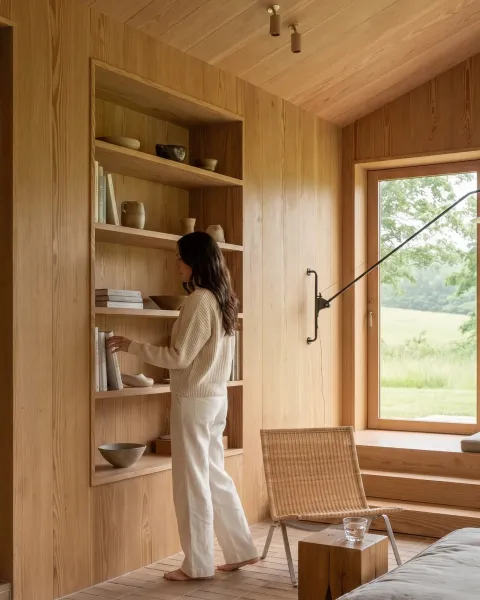
Modern, minimalist, Japandi, vintage — each style isn’t just a furniture arrangement, it’s a set of decisions about color, texture, and how “finished” a room should feel. A vintage scene invites warmer, more layered light and worn textures; a minimalist scene wants restraint, negative space, and light that reads as clean rather than cozy. Getting the style right for the target buyer matters more than getting any single object perfectly modeled.
Lighting decides whether a room feels lived-in
Flat, even lighting reads as a showroom — accurate, but empty. Directional light with visible shadow, a lamp actually doing work in the frame, daylight falling unevenly across a surface — these are the details that make a space feel like someone actually lives there. This is also where a scene earns the right to sit in a full-bleed hero image instead of just a thumbnail.
Matching an existing brand look
A brand with an established photography style doesn’t have to start over for 3D. Sending reference examples of current photography or previous renders lets the same lighting, camera angles, and overall mood carry over into new scenes — the goal is a consistent brand look across old and new content, not a visibly different “3D version” of the brand.
Revisions are where the mood gets dialed in
Style and lighting are subjective by nature, which is why three rounds of revisions are built into every interior scene — the first pass rarely nails the exact mood on the first try, and it isn’t supposed to. Revisions are where a scene goes from “technically correct” to “the room our buyer actually wants to picture themselves in.”
If you have a style or mood in mind — or a brand look you need matched — get in touch with reference images and we’ll walk you through the lighting and styling approach before any rendering begins.